01 / COMPONENT SURFACE
Protect the source.
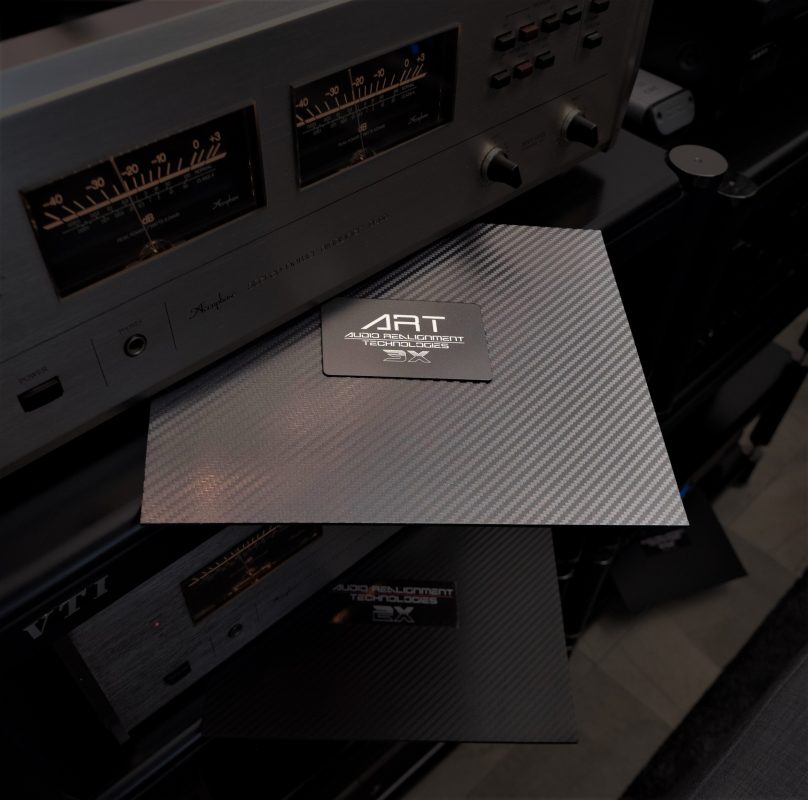
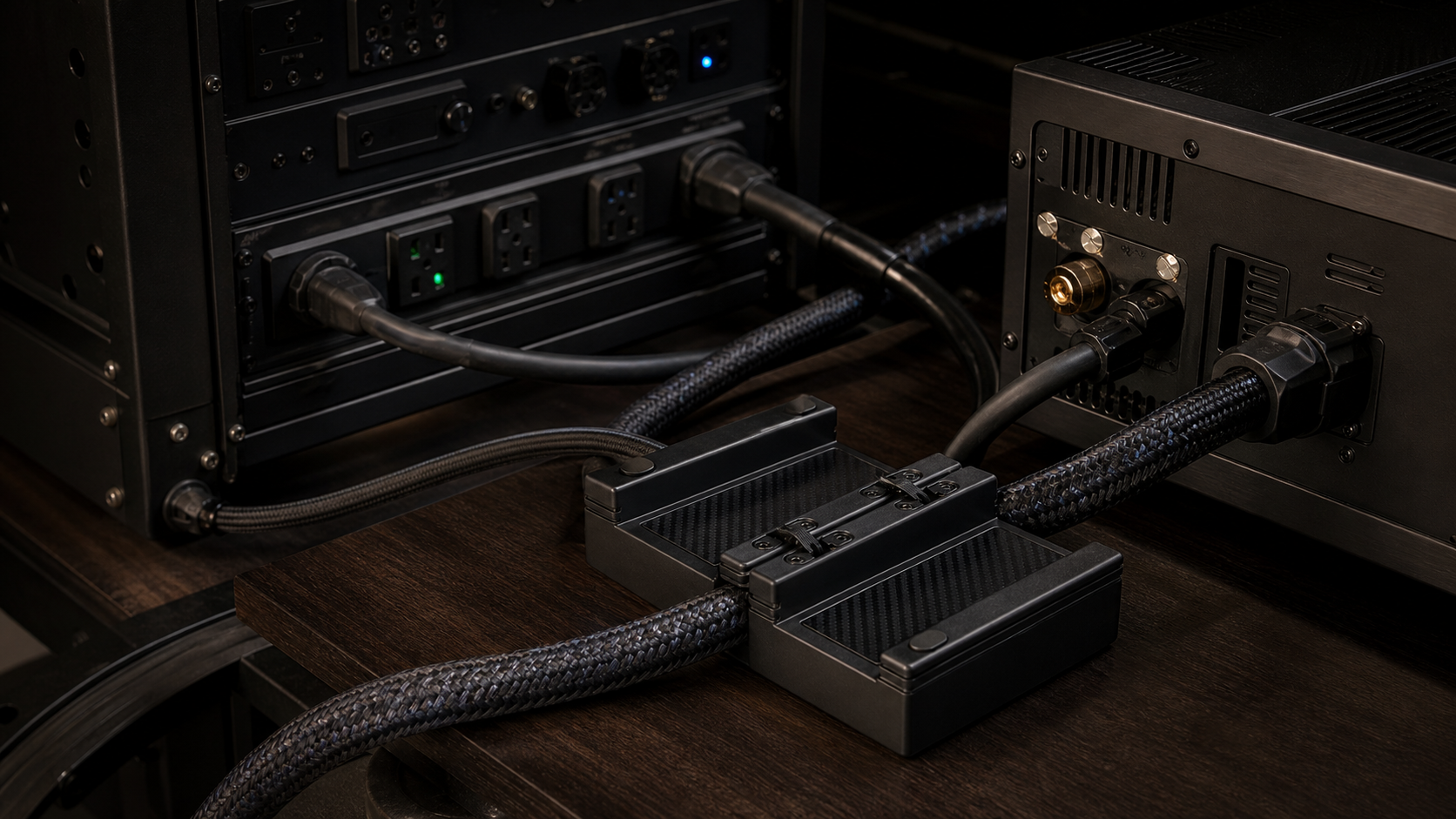
Place a 9X on a critical source component to help reduce electromagnetic noise surrounding the signal path.
THE LISTENING SESSION / RECORDING STUDIOS
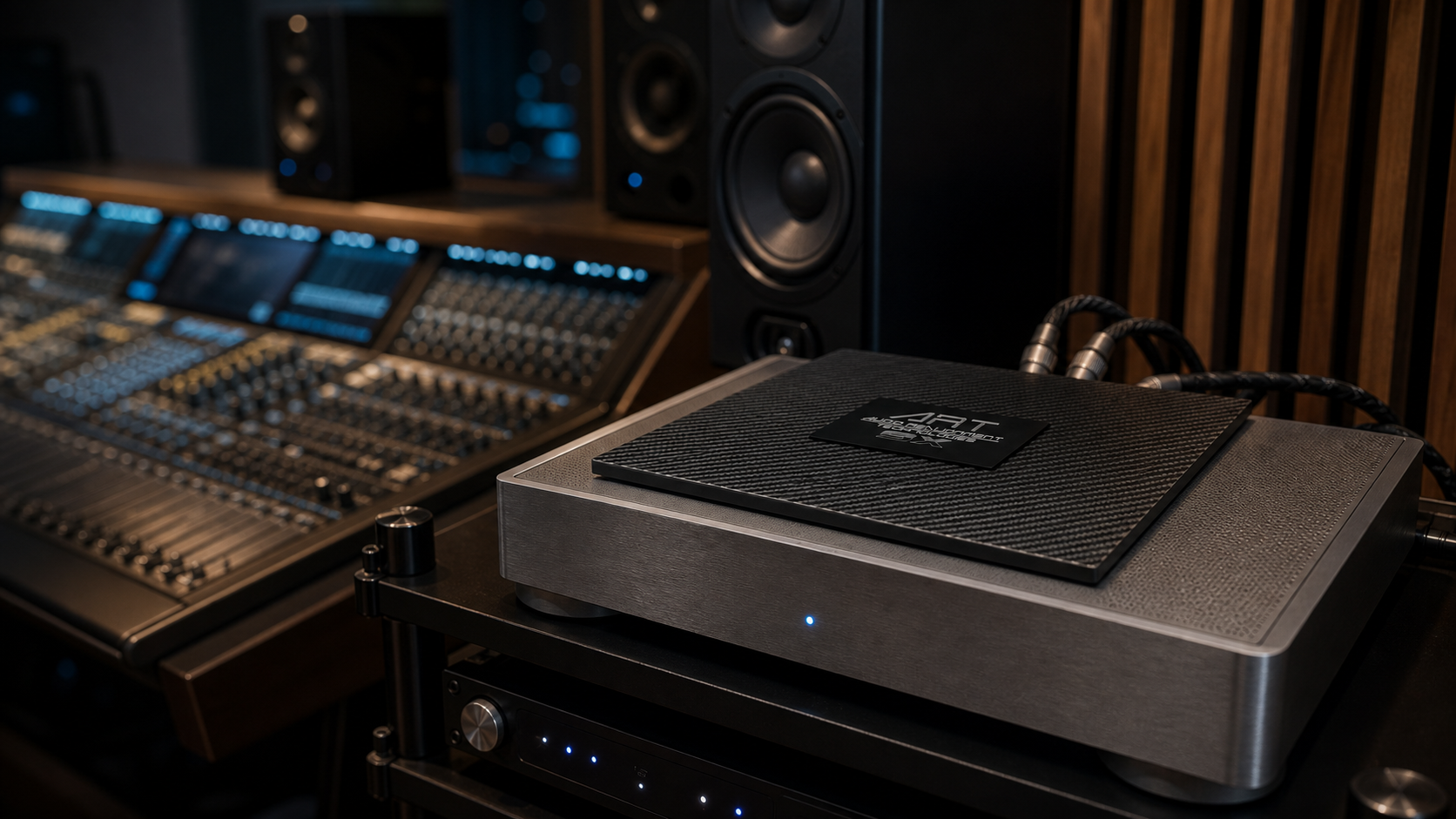
Lower the electromagnetic noise floor around the recording chain so the room, the equipment, and the performance can speak with greater precision.
Explore the studio methodSIGNAL INTEGRITY / 02
Every recording begins with a noise floor. ART treatments are designed to help studios protect the detail, timing, and dimensionality already present in the signal.
Place a 9X on a critical source component to help reduce electromagnetic noise surrounding the signal path.
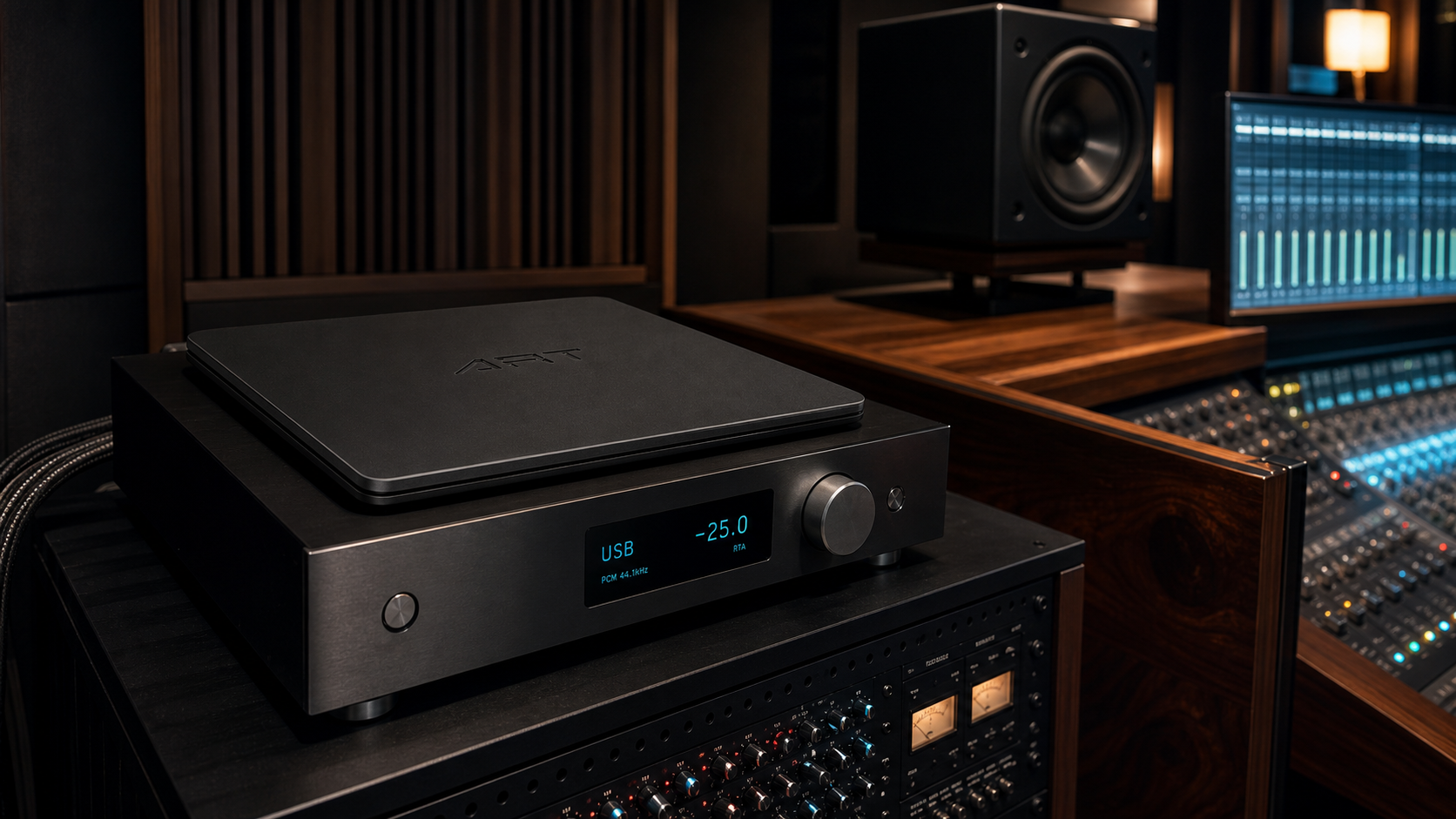
Eliminating Radio Frequency Interference (RFI) in Recording Studios
Recording studios serve as sanctuaries for musicians, producers, and audio engineers to create, capture, and refine music and audio productions. However, these environments are susceptible to various forms of interference, including Radio Frequency Interference (RFI), which can compromise the quality of recordings. RFI can manifest as unwanted noise, buzzing, or distortion in audio signals, detracting from the clarity and fidelity of recordings. Therefore, implementing effective strategies to eliminate RFI in recording studios is essential for maintaining pristine audio quality and ensuring professional-grade productions.
Understanding Radio Frequency Interference (RFI) in Recording Studios: RFI in recording studios originates from electromagnetic radiation emitted by electronic devices, wireless communication systems, power lines, and other sources. These RFI signals can infiltrate audio equipment, cables, and recording interfaces, introducing unwanted noise and distortion into the recording chain. Common culprits of RFI include computer monitors, mobile phones, Wi-Fi routers, and nearby radio transmission towers. Identifying and mitigating RFI is critical for preserving the integrity of audio recordings and achieving the desired sonic characteristics.
Radio Frequency Interference (RFI) poses a significant challenge in recording studios, where pristine audio quality is paramount. By understanding the sources and symptoms of RFI and implementing effective mitigation strategies such as shielded cables, grounding, and equipment placement, recording engineers and studio technicians can eliminate unwanted interference and ensure professional-grade recordings. With careful planning, attention to detail, and ongoing monitoring, recording studios can maintain a conducive environment for creativity and sonic excellence, free from the disruptive effects of RFI interference.